About Us
The Story of Kin Kids in Need
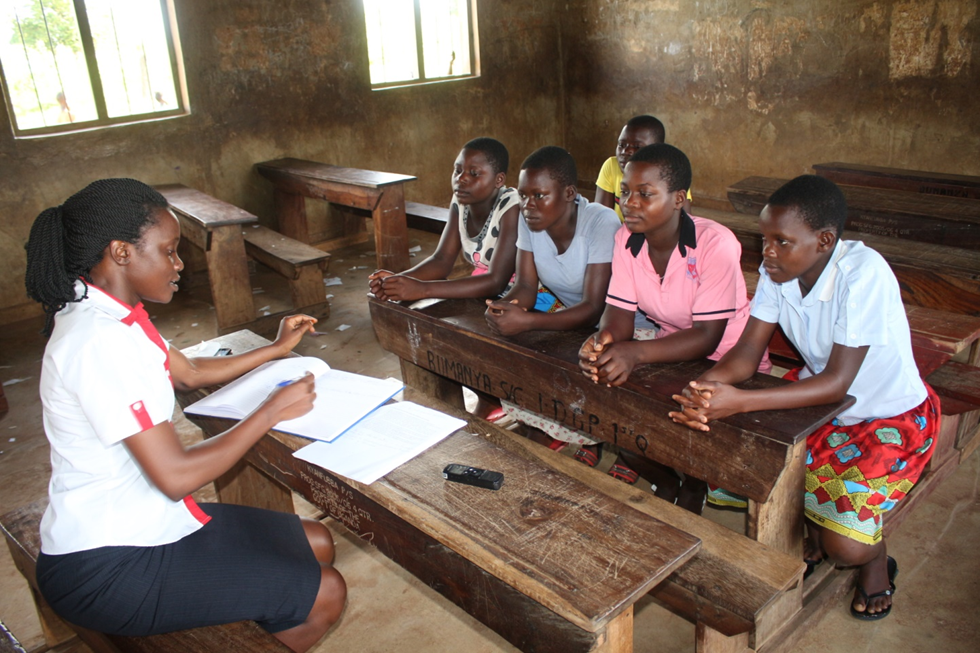
KIN (KIDS IN NEED) was founded in 1996 with the help of the Jesuit Fathers and the Missionaries of Africa to support and protect street children in Kampala. Over the many years, the organization has gained a vast experience in development work; improving the lives of people in poor communities, especially where marginalized individuals strive for self-actualization. Originally providing support to street children and the people of Kisenyi slums in Kampala, programs have now spread to other critical parts of the country. We rehabilitate troubled children and youth, offer vocational skills and formal education to troubled children and youth, while extending services in financial literacy, community health, environmental protection, provision of seed capital to poor women and supporting others with setting up backyard gardens for food production. The fight for human rights is at the heart of the organisation, this being the basis of its origin when defending street children and supporting them to live a normal life. We extend services to refugees, this being one of our activities. Our development partners through the years have been some kind individuals,the World Food program, ILO, donor NGOs and embassies of Ireland, Belgium and the Netherlands among many others.
Our Journey and Impact
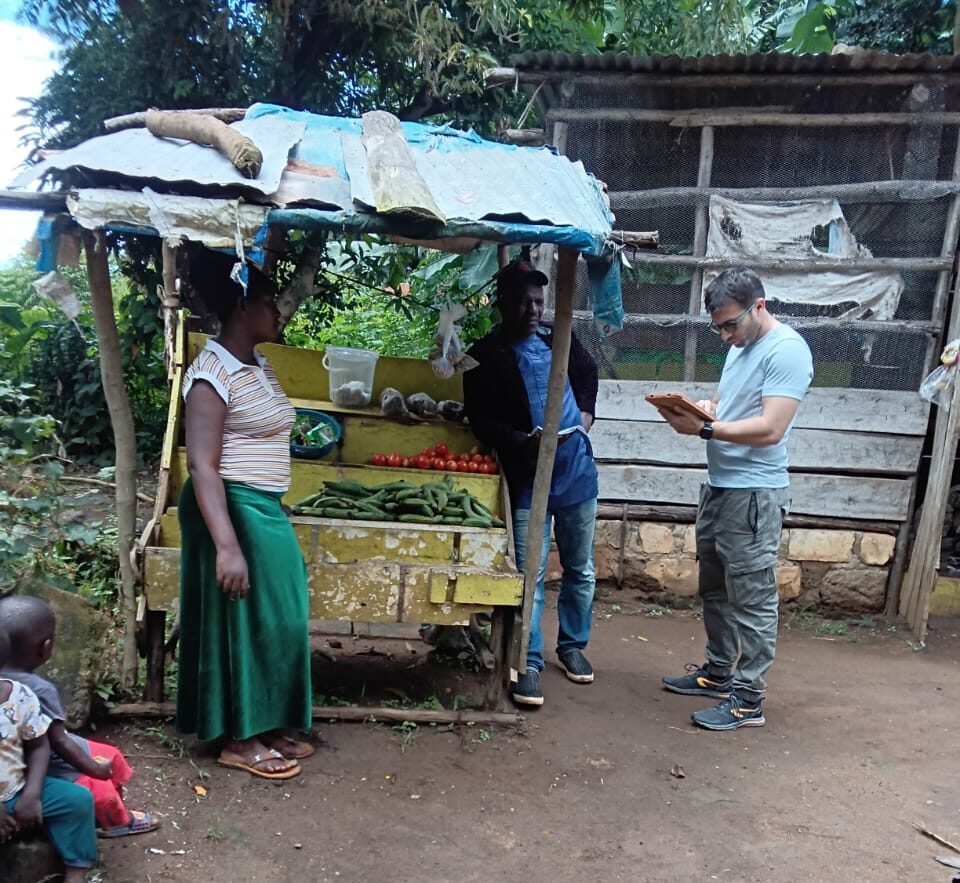
Over the years, KIN has served numerous clients, including marginalized families, vulnerable children, refugees, and local communities in the Wakiso, Mukono, Namayingo, and Pakwach districts, helping them find paths to better futures.
Founded in 1996, KIN emerged from a vision to support vulnerable children and families in Uganda. Our dedication to fostering community resilience has enabled us to grow and adapt our programs over the years.
Core Values
At KIN, we are driven by strong principles that guide our engagements and initiatives in supporting marginalized communities.
Integrity
Inclusivity
Sustainability
Notable key achievements:
Human rights and child labour free zone committees have been established in the target areas to support in upholding the dignity of those whose rights were trampled upon. A total of 36 land issues were handled, and 198 cases were addressed, including domestic violence, child abuse, sexual harassment, financial exploitation, and resource grabbing, representing 75% of reported cases.
- 2,829 beneficiaries from fishing communities received healthcare and medical support through mobile clinics, referral services, and maternal care support.
- 520 households from vulnerable communities in Wakiso (fishing areas), Butaleja, and Mbale Districts were supported with backyard gardening and animal husbandry to improve food security and reduce malnutrition, especially among children and lactating mothers.
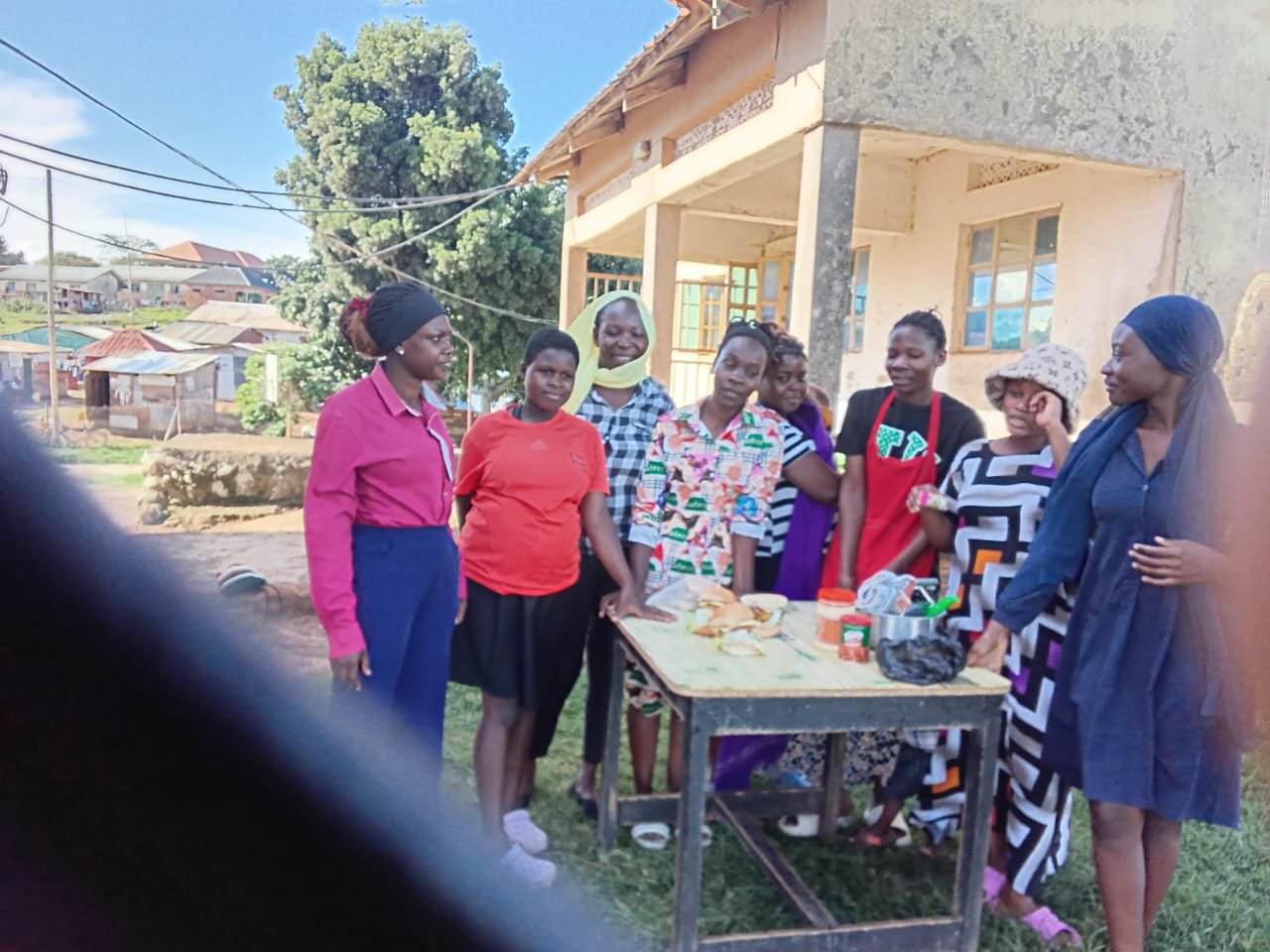
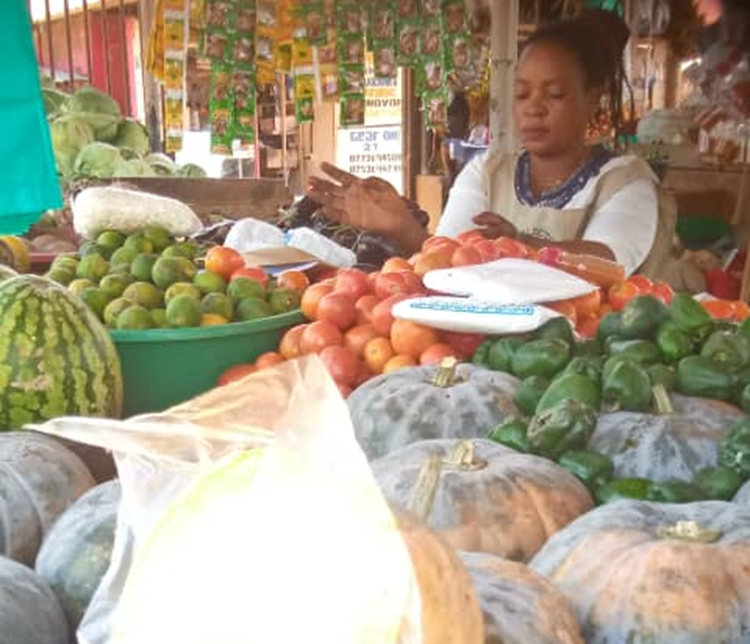
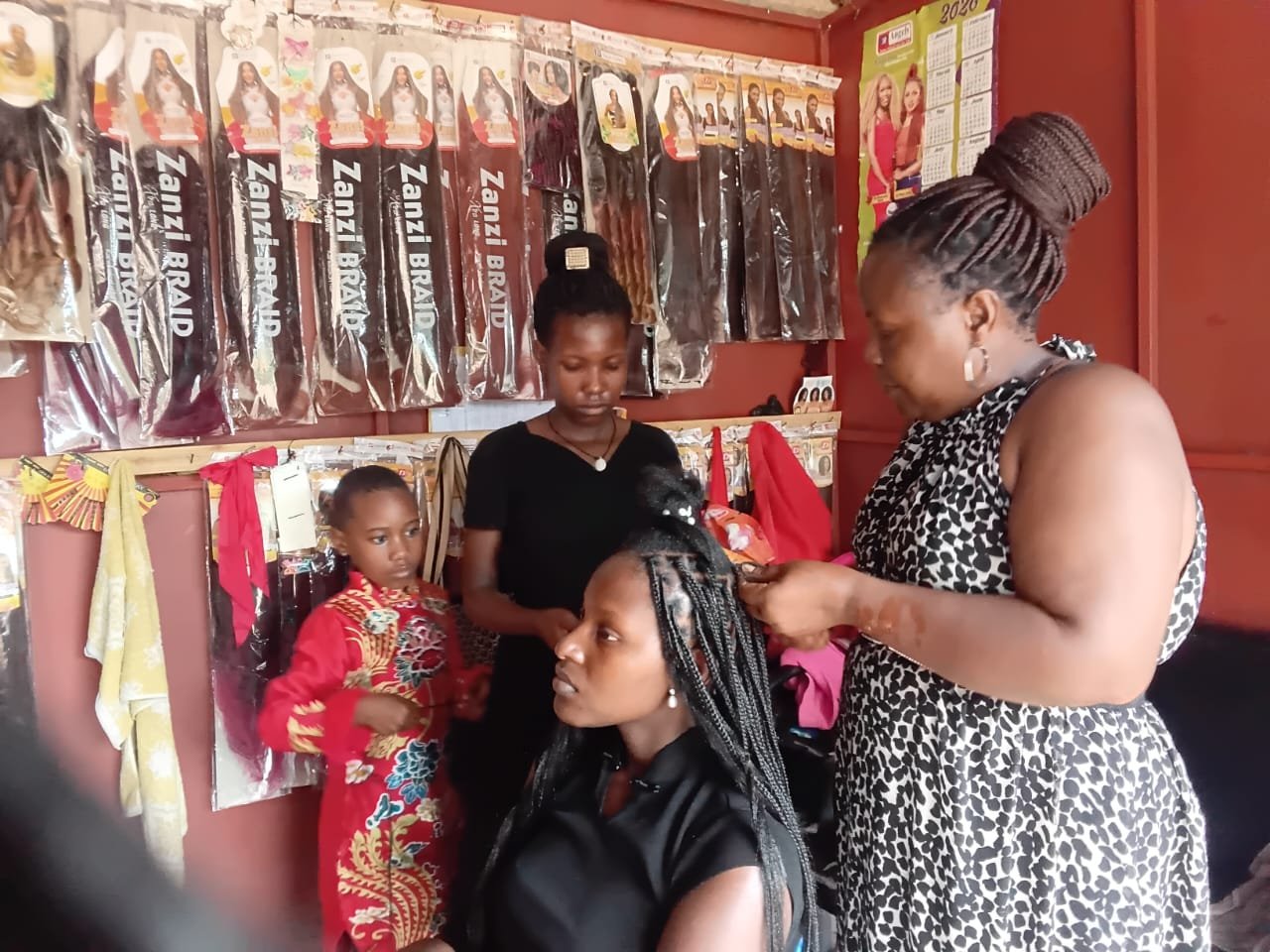
- Over 200 women from fishing communities in Kigungu were empowered with financial literacy, vocational skills, and income-generating activities to strengthen economic livelihoods.
- In one fishing community, only a few of the 87 enrolled children attended school due to child labour. After introducing a child labour free zone strategy, school enrollment increased to over 1,000 pupils, first grades were registered for the first time, and the community mindset shifted toward prioritizing education. Parents in Kigungu have now rejected child labour and actively support their children’s education. KIN has also trained numerous organizations across Uganda and Africa to adopt this approach and continues to provide technical support.
- The organization has successfully withdrawn, empowered, and reintegrated over 10,000 street children and youth through its transit program in Kampala and Wakiso districts.
- A total of 2,000 refugees have been registered and supported with counseling services and skills development.
Join Us Today
Be a part of our mission to uplift children and vulnerable communities by making a difference through your support and involvement.